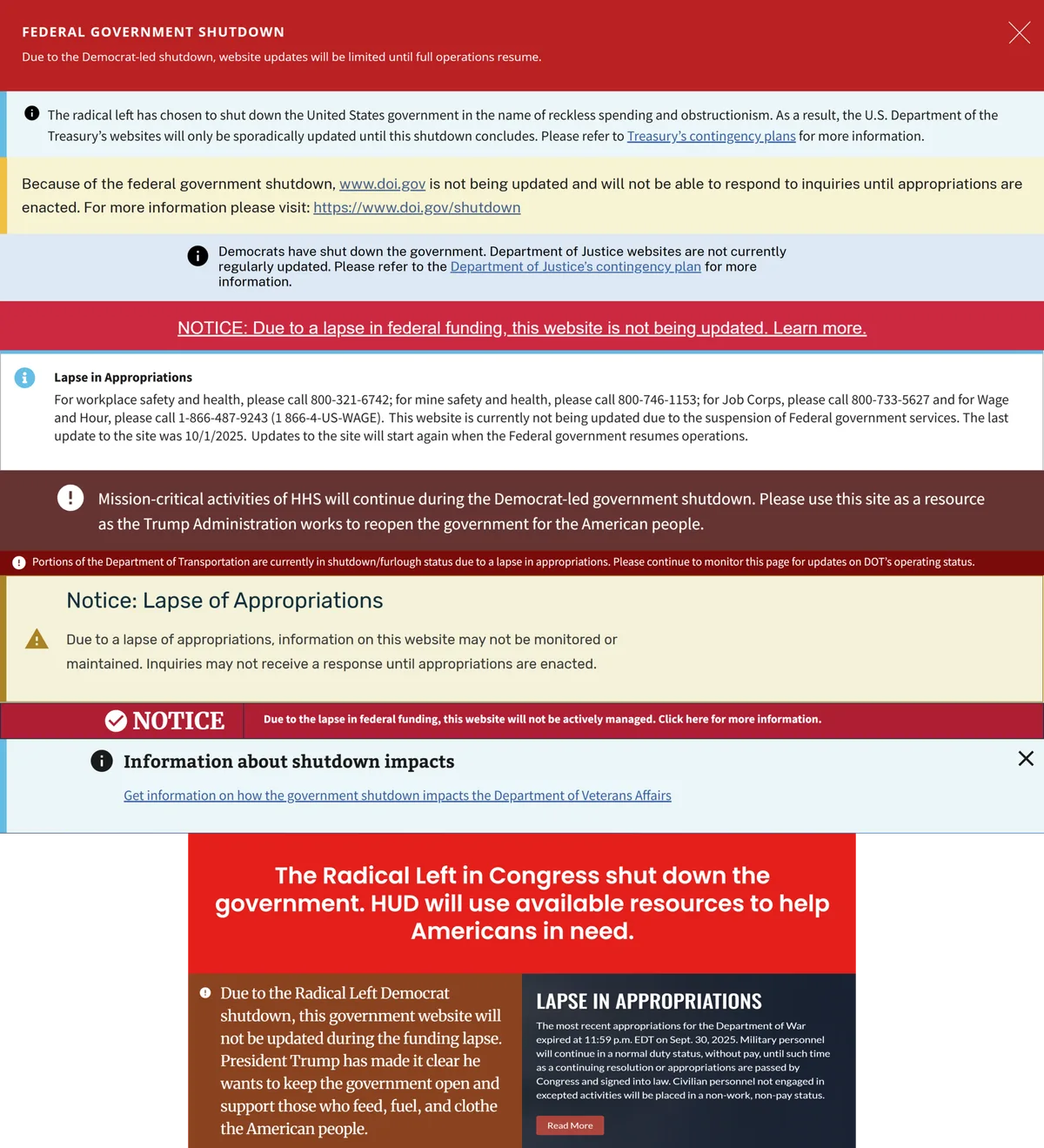
The Pentagon's budget justification documents — the service-by-service books explaining what each requested dollar buys — have no appropriations bill to accompany them this fall, because the lapse that began October 1, 2025 has left the department on shutdown rules instead of enacted fiscal 2026 spending. Per DoD's September 2025 guidance, only excepted obligations continue.
What Are Justification Books and Who Writes Them?
Justification books, often called J-books, are the evidentiary layer of the defense budget. Each military department and defense agency produces them to accompany its slice of the President's budget request, line by line, program by program.
Their audience is narrow and powerful, and their status during the lapse follows DoD’s September 2025 guidance that obligations requiring new funding are constrained while excepted activities continue: the professional staff of the appropriations committees and the defense subcommittees that mark up the spending bills. The books exist so that a staffer can trace any program's request to its explanation — the POM (Program Objective Memorandum, the department's internal two-year programming document) decisions behind it, and the comparison against prior-year funding.
How Do the Documents Fit the Budget Cycle?
The cycle is a relay, and the J-books run the middle leg.
- Programming. The department builds the POM, matching strategy to fiscal guidance.
- Budget request. The President's budget submits the request; justification books document each line.
- Authorization. Armed Services committees write the NDAA, setting policy and ceilings.
- Appropriation. Appropriators write the spending bills the J-books were built to justify.
- Execution. The department obligates funds as appropriated.
What Does the Shutdown Do to That Cycle?
It breaks the fourth leg for every agency, not just defense. With roughly 900,000 federal employees furloughed in the lapse that started October 1, the staff work of drafting, marking up and reconciling appropriations bills has slowed, and the department's own financial operations are running on excepted-activity rules. The practical consequence is that the fiscal 2026 justification record exists, but the spending decisions it was written to inform remain open.
Why Should Readers Care About Documents Nobody Votes On?
Because they are where the promises are priced. Every schedule claim, every force-structure decision and every modernization plan in a defense budget becomes a line in a justification book with a number attached. When Congress eventually appropriates, the comparison between what the J-books asked for and what the appropriators provided is the cleanest public measure of priorities. Watch that comparison when the shutdown ends and the fiscal 2026 bills move. In the meantime, the documents themselves are produced by the services' comptroller organizations and the Office of the Secretary of Defense staff, and their drafting is one of the excepted-adjacent activities that continues on a reduced cadence during the lapse. When appropriations finally pass, the books will need updating against whatever anomalies and adjustments the spending bills impose — a reconciliation task that historically adds weeks to the execution calendar.