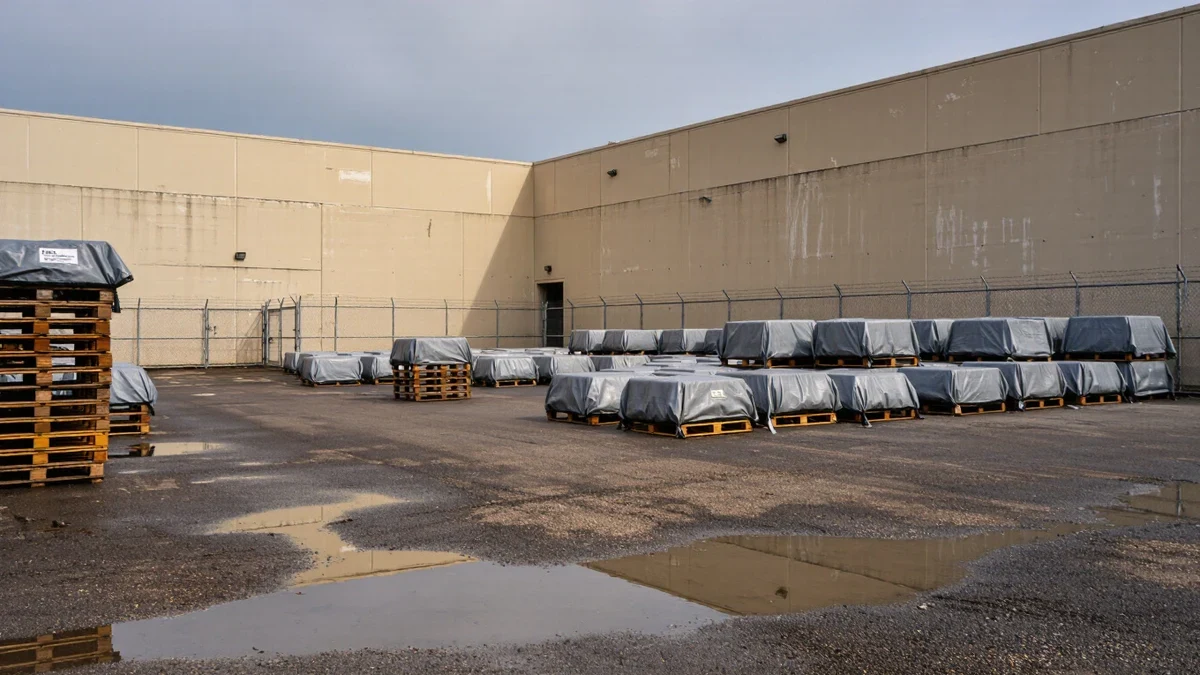
War reserves and prepositioned stocks are combat equipment stored in advance at strategic locations, on land and aboard afloat ships, so units can deploy in days rather than the weeks shipping from home would take, per the Government Accountability Office's published description of the Army…
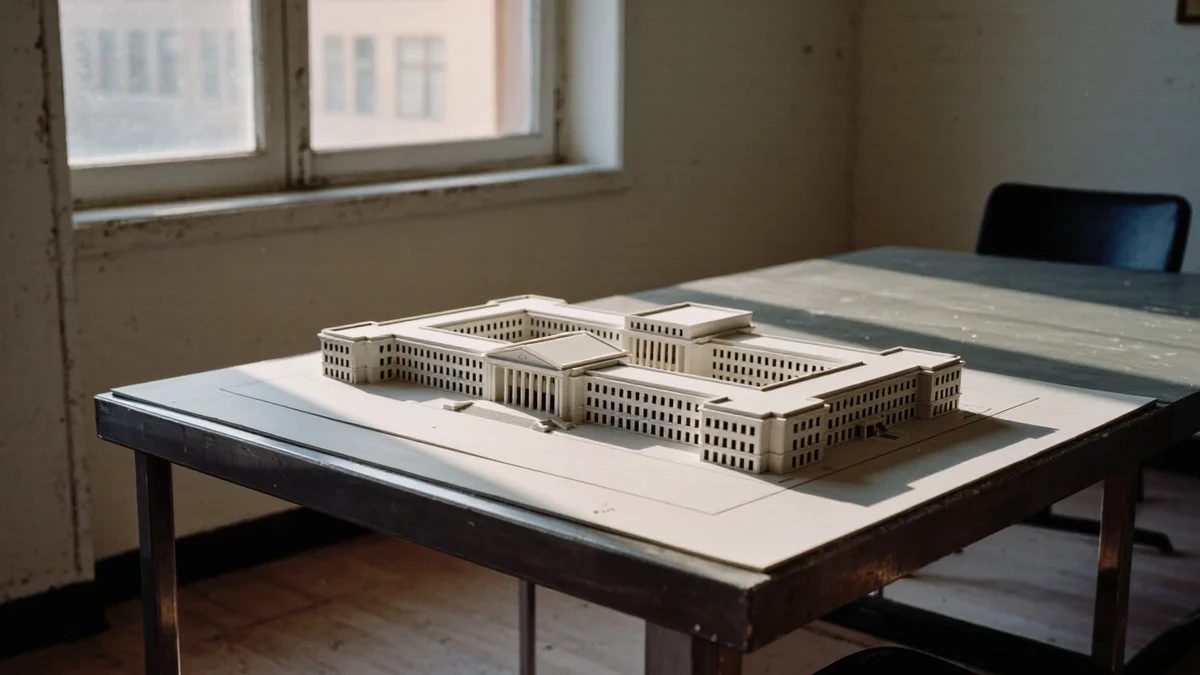
Military construction, or MILCON, reaches a funded project through a five-to-seven-year process that starts with an installation commander's identified facility need and ends with Congress authorizing and appropriating each major project by name, per the Congressional Research Service's primer…
The Defense Department reshaped its federal civilian workforce in 2025 through a Deferred Resignation Program, a Voluntary Early Retirement Authority, and a September 2025 memo that compressed removal procedures. Department civilians are governed by civil-service law, not military personnel…
Military recruiting works as a yearly race between congressionally set end strength and the services' accession goals: the Army signed 62,050 recruits against a 61,000 goal in fiscal year 2025, per published service figures. Congress shapes the system through end-strength law and monitors it…
Stockpiling and industrial reserve policy in the United States run primarily through the Defense Production Act of 1950, a statute that gives the President authorities to maintain and enhance the domestic industrial base, per the Congressional Research Service. Its Title III wing finances…
The National Defense Authorization Act (NDAA) authorizes appropriations for the Department of Defense, nuclear weapons programs of the Department of Energy, and other defense-related activities — but does not itself provide budget authority, per the Congressional Research Service. Fiscal 2025…