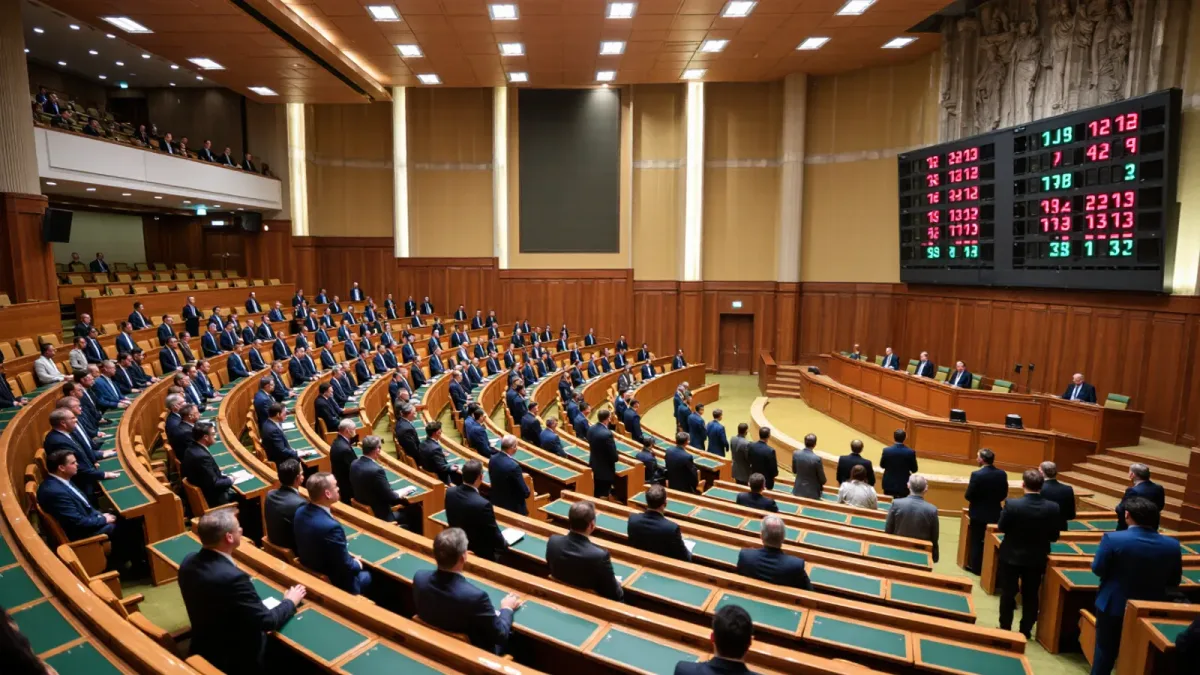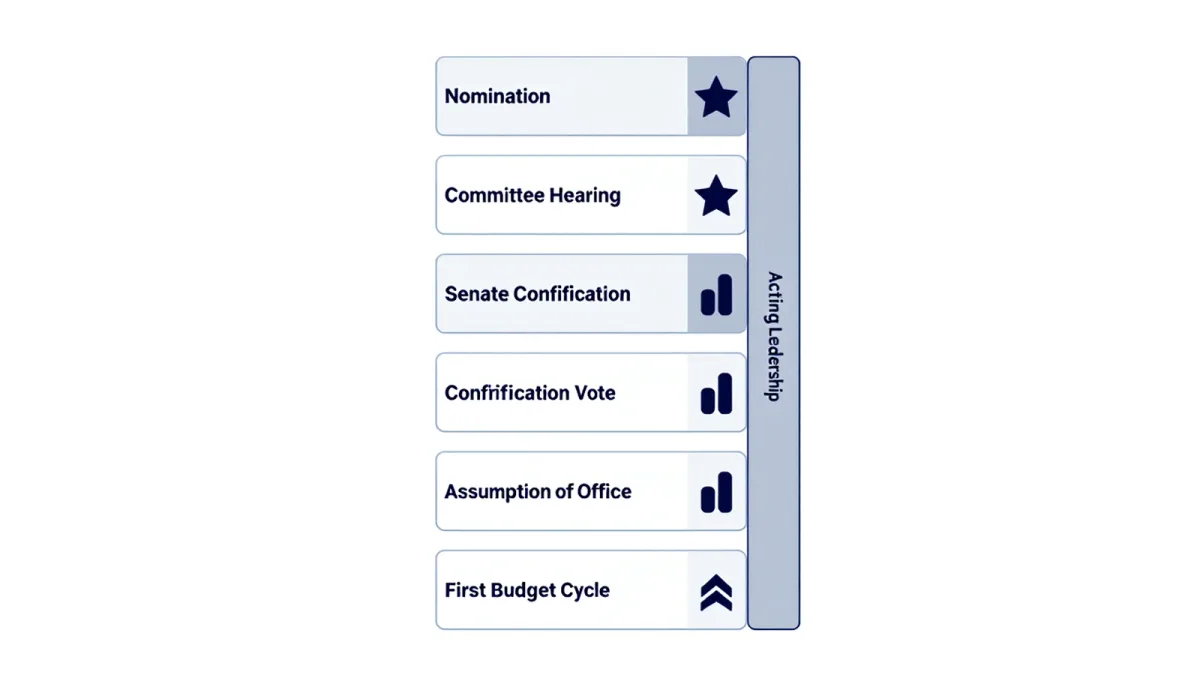
The Senate on August 8, 2026 passed its amended H.R. 6500, the Continuing Appropriations and Extensions Act, 2027, extending funding at fiscal 2026 rates until full-year appropriations or December 11, 2026, per the engrossed text on GovInfo. The bill now awaits the House, which returns with the September 30 deadline approaching.
What Does the Bill Text Actually Provide?
It is a rate-for-operations extension. Section 101 of the Senate text appropriates such amounts as may be necessary for projects and activities conducted in fiscal 2026, under the authority and conditions of the prior-year appropriations acts. Section 106 then sets the clock, making funds available until whichever occurs first: enactment of a full appropriation, enactment of the relevant FY2027 appropriations act without the activity, or December 11, 2026.
The structure means agency budgets neither grow nor shrink in the stopgap's base case; they continue, with the listed exceptions and anomalies spelled out in the text.
Why Does the December 11 Date Matter?
Because it is a hard wall, not a target. Every appropriation extended by the act — across all twelve appropriations divisions, from defense to transportation — lapses on that date unless Congress has enacted the relevant full-year bill. A week-long government shutdown in 2018-19 and the 43-day lapse of October 1 to November 12, 2025 both began exactly this way: a funding deadline arriving with no enacted appropriations in place. The December 11 choice sets the next cliff after the midterm elections rather than before them.
What Restrictions Ride Along for Defense?
Continuing resolutions carry standard limitations that matter to the Pentagon. The Senate text preserves the customary bars on starting new projects and on initiating multiyear procurements using advance procurement funding for economic-order-quantity buys unless specifically appropriated later.
- No new starts: activities not funded in fiscal 2026 cannot be initiated or resumed.
- No new multiyear procurement starts without specific appropriation.
- Funds remain available only through the December 11 deadline.
Why Is Congress Doing This in August?
Because none of the twelve FY2027 appropriations bills had been completed before the fiscal year's final weeks, and last year demonstrated the cost of missing the deadline: the October 1 to November 12, 2025 shutdown, the longest in U.S. history, furloughed roughly 900,000 federal employees. Passing the stopgap in August, before the election-season calendar compresses, is the Senate's insurance against a repeat.
What Happens Next?
The House must agree to the Senate amendment, and differences between the chambers' versions would have to be resolved before the measure can go to the President. A final signed law would push the real appropriations fight into the lame-duck period before December 11. Readers tracking agencies should watch two dates: House action in September, and the December 11 expiry written into Section 106 of the GovInfo record.