Military construction, or MILCON, reaches a funded project through a five-to-seven-year process that starts with an installation commander's identified facility need and ends with Congress authorizing and appropriating each major project by name, per the Congressional Research Service's primer updated September 5, 2024. A separate account, FSRM, sustains existing facilities.
What counts as military construction?
MILCON is a statutory category, not a description: work above defined dollar thresholds on facilities, including construction, development, conversion and equipment of buildings and utilities, must be funded through MILCON appropriations and follow MILCON law. Small repairs and maintenance run through operations accounts, and major renovations flow through the Facilities Sustainment, Restoration and Modernization account, known as FSRM.
Per CRS, "MILCON appropriations fund construction of new military infrastructure, such as barracks, piers, training facilities, and administrative buildings," while "FSRM appropriations fund the repair and modernization of existing infrastructure facilities," a distinction that drives which account, which approval path and which congressional committee a project answers to. The split matters financially: MILCON is project-by-project and Congress-facing, FSRM is aggregate funding against inventory conditions, and the two together determine whether a base's footprint grows, holds or shrinks over a decade.
Because the category is statutory, moving work between accounts is not bookkeeping convenience but a legal question, and Congress writes thresholds and exceptions into each year's authorization act.
How does a project become a budget line?
The life cycle runs from installation to appropriation, and CRS describes it as a process "involving DoD and Congress acting together to build military facilities, beginning with development of new military infrastructure requirements and culminating in a completed facility," one that is "lengthy and complex" and "can take five to seven years or more," per the CRS report on MILCON authorities and processes.
- Need identification: installation commanders and public works staff document facility deficiencies against standards.
- Requirements development: needs are validated against mission requirements and master plans.
- Programming: candidate projects compete in the department's program-building process for a place in future budget years.
- Budget request: selected projects appear in the President's budget with individual justifications, cost estimates and schedules.
- Authorization: the annual defense authorization act approves each project and its ceiling by statute.
- Appropriation: the appropriations act provides the funding, project by project.
- Execution: a designated construction agent manages design, award and building.
The justifications Congress receives are unusually granular compared with other accounts: location, purpose, scope and cost for every project, which is why MILCON books are a favorite tool for tracking basing intentions across the department. No other defense account publishes its plans street address by street address, and analysts who follow overseas posture or force distribution read these books first for exactly that reason.
How does Congress direct the money?
Congress is not a rubber stamp in this account; it is a co-decider. "Congress annually reviews DOD's budget request and determines whether or not to fund individual major MILCON projects, among other budgetary line items," per the CRS In Focus on congressional direction of infrastructure funding.
Two congressional habits shape outcomes. First, appropriators add projects the department did not request, which is why enacted MILCON bills routinely exceed the request in member-district line items. Second, Congress weighs the department's unfunded priorities lists, or UPLs, which CRS describes as reports of unfunded requirement priorities submitted to the congressional defense committees, giving legislators a ready menu for additions.
Congress also legislates authorities case by case, per CRS: beyond approving individual projects, it can enact new authorities for particular types of construction, which is how specialized tools such as energy-resilience and allied-infrastructure authorities have entered the toolkit over the years.
Why does it take five to seven years?
The timeline is the sum of serial approvals. A need documented this fiscal year enters a programming cycle that places it in a budget two or more years out; the authorization and appropriations acts must both pass; only then does design begin, followed by award and construction measured in years for large facilities. A project first identified in 2026 can plausibly see ribbon-cutting in the early 2030s.
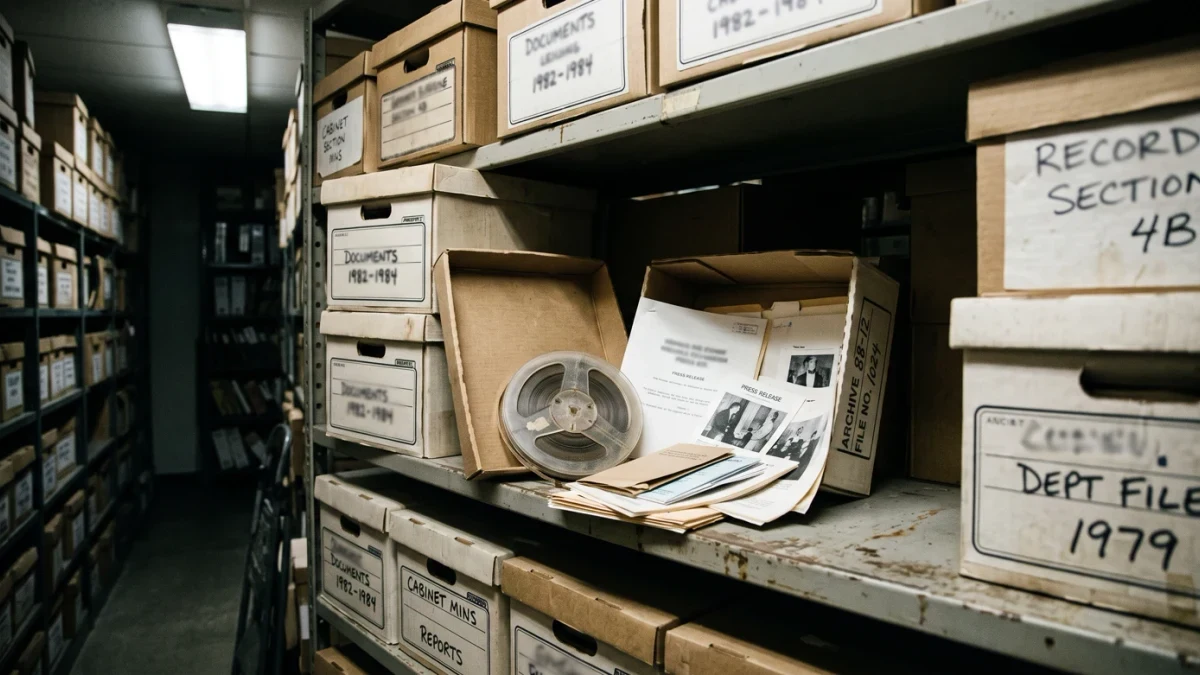
Each stage has failure modes: a project can be dropped in programming, zeroed in budget review, cut in authorization markup, or funded below request in appropriation. Cost growth between identification and award is a chronic gap, because estimates age across the multi-year pipeline and construction markets move.
The consequence for planners is that MILCON strategy is set years before conditions change, and the account's long lead time is why unfunded priorities lists and congressional adds matter so much: they are the faster channels through which urgent needs can jump the queue.
Who actually executes the projects?
Once Congress funds a project, the department does not hand it directly to the using service; designated construction agents manage design, contracting and construction on the installations' behalf, an arrangement the CRS report describes as part of the execution stage of the MILCON process. The construction-agent structure concentrates engineering and contract-management expertise in organizations that do nothing else, which is also why MILCON execution has its own oversight community of auditors and inspectors following the awards.
Execution carries its own timeline risks independent of budgeting: design must be completed before award, awards can be protested, and construction follows market conditions for labor and materials. A project that clears the seven-year budgeting gauntlet can still gain years in execution, which is why the oldest line items in any MILCON book are the most interesting: they show what the pipeline's friction does to a schedule.
Changes to funded projects also route back through Congress: scope growth or cost escalation above thresholds requires reprogramming or new authorization, which is why project officers guard baselines. In MILCON, the authorization act is not a historical document but a live constraint on every change order of consequence.
What should readers watch in each cycle?
Three documents tell the whole story each year: the budget justification books, which show the department's intent by installation; the authorization act's project tables, which show what Congress approved; and the appropriations act's tables, which show what was actually funded. Divergences among the three are the visible trace of the negotiation CRS describes.
Watch also the FSRM-to-MILCON balance. Sustaining existing inventory is cheaper per square foot than building new, so a department leaning into FSRM is managing decline, while a MILCON-heavy budget signals growth or replacement. The mix, published in the same justification books, is one of the cleanest public indicators of whether the department's infrastructure posture is expanding or holding, and it can be tracked year over year without any specialist database.
Finally, remember that every project in those tables carries a location and a purpose in plain text, which makes MILCON the most geographically legible part of the defense budget and the easiest place for a non-specialist to see national defense policy expressed in concrete. It is the one part of the budget where a citizen can point to a building and read its whole legislative history in two public tables. One more habit rewards patience: compare the justification's cost estimate for a project against its eventual award figure when the contract announcement appears; the difference is the multi-year pipeline's price of time, visible in public documents at both ends of the journey.