The Department of Veterans Affairs is requesting $488.2 billion for fiscal 2027, a 7.7 percent increase above the 2026 enacted level, per the department's April 2026 Budget in Brief. Of that, $337.6 billion is mandatory benefit funding, per VA's budget office — the accounts behind disability compensation and the claims system.
What Is in the FY2027 Request for Benefits?
The Budget in Brief's mandatory side is dominated by Compensation and Pensions, Readjustment Benefits, Housing and Insurance, and continued funding for the Toxic Exposures Fund, per the VA budget office’s published summary. The discretionary request in the Budget in Brief is $150.6 billion, a $12.3 billion increase above 2026.
The budget documents also describe investments in systems modernization, which is the category that touches the claims pipeline most directly, since it funds the records and case-management infrastructure that determines how quickly a claim can be decided.
How Does a Disability Claim Actually Proceed?
Under VA's published claims guidance, the process is sequential, and each stage has its own clock. A claim is filed online, by phone, by mail or through an accredited representative. VA then confirms receipt, identifies what evidence is needed, may schedule a claim exam, and issues a decision with an assigned disability rating and effective date. If a veteran disagrees, a separate appeal track begins.
- Filing. The veteran submits a claim, with or without an accredited Veterans Service Organization representative.
- Initial review and evidence. VA gathers service and medical records and may request a claim exam.
- Decision. VA assigns a rating and an effective date for benefits.
- Appeal, if needed. Disagreements move to a distinct appeal process.
Why Does the Budget Matter to a Pending Claim?
Because the dollars sit behind the staffing and systems that run those steps. The mandatory compensation accounts determine what is disbursed; the discretionary accounts fund the people and technology that decide how fast. The Toxic Exposures Fund line, carried forward again in this request, reflects the PACT Act-era benefit expansion that added presumptive-condition claims to the workload.
What Comes Next for the Request?
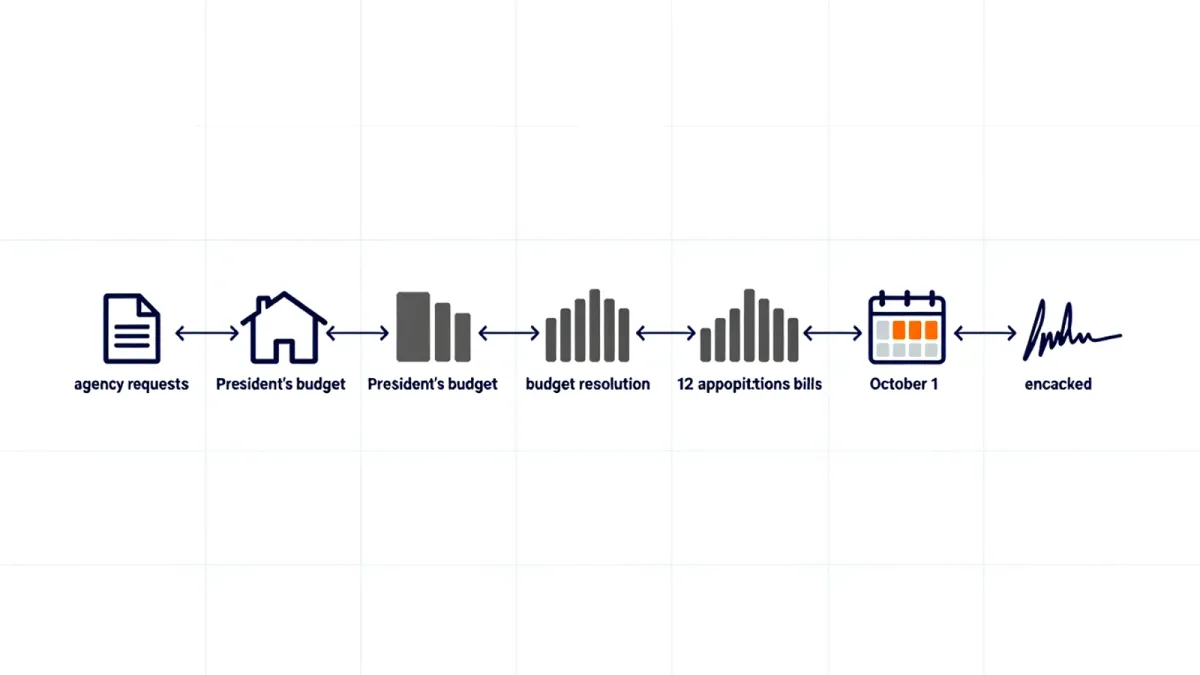
Congress takes it from here: the House and Senate military construction-VA appropriations subcommittees will hold hearings and write the spending bill that actually funds fiscal 2027. The request is a proposal, not an appropriation, and the enacted totals can change. For veterans tracking their own claims, the practical markers are unchanged — the filing steps above and VA's published guidance on VA.gov govern how a case moves, whatever the budget outcome.