The Army met its fiscal 2026 active-duty recruiting goal four months before the September 30 fiscal year end, signing contracts with more than 61,500 future soldiers, per a May 23, 2026 Army announcement. The milestone is the service's third consecutive year hitting its enlistment target, after missing goals in 2022 and 2023, per Stars and Stripes reporting the same day.
What exactly was announced?
Announced on May 23, 2026, the milestone covers active-duty recruiting contracts: signed agreements with future soldiers, not yet soldiers reporting to basic training. "The U.S. Army has met its fiscal year 2026 recruiting goals for active duty, signing contracts with more than 61,500 future Soldiers," the service's release states, crediting recruiters' outreach, per the official Army announcement.
Stars and Stripes reported that the Army "has reached its recruiting goal for 2026 more than four months before the end of the fiscal year," and quoted Brig. Gen. Sara Dudley, who leads the Army's recruiting division: "Their dedication to recruiting the best, most qualified talent is the reason we achieved this momentous milestone," per Stars and Stripes coverage. The announcement came as Defense Secretary Pete Hegseth delivered the news during West Point commencement events, according to contemporaneous reporting.
How does this fit the recent recruiting record?
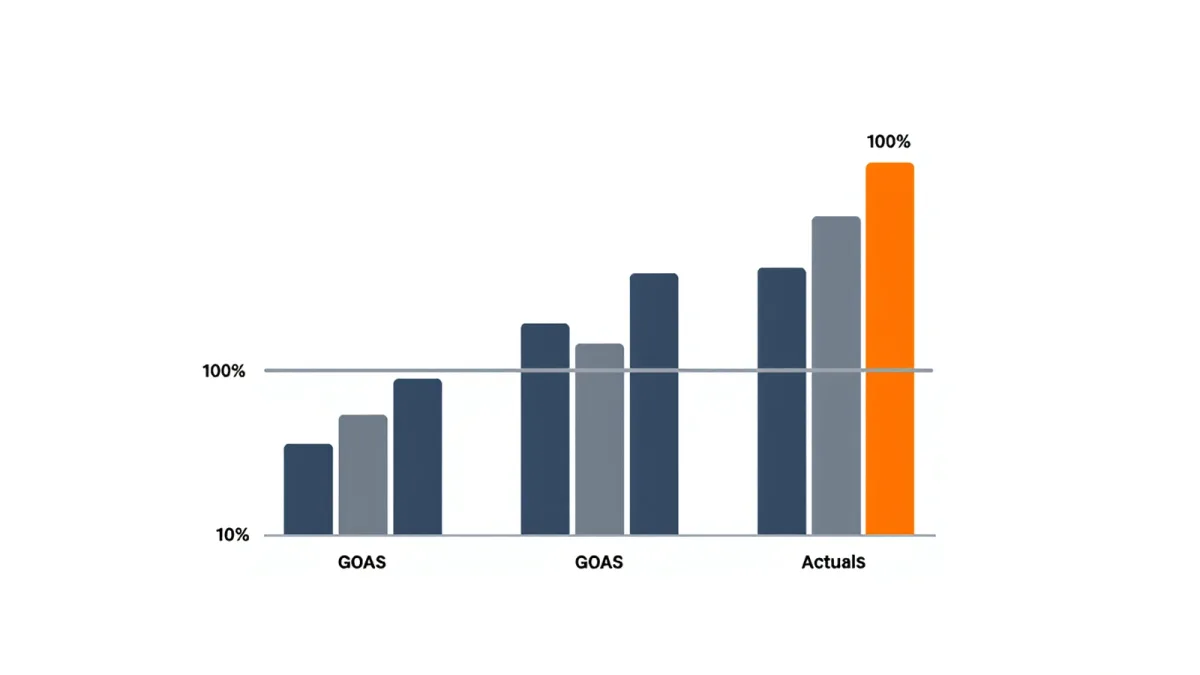
Recruiting numbers are a cyclical story, and the fiscal 2026 result extends a recovery that began two years earlier. The relevant record from the coverage: the Army missed its enlistment goals in 2022 and 2023, then hit its target in each of the three years since, per Stars and Stripes. The fiscal 2025 cycle had already produced the best numbers in roughly 15 years across the services, with the Army exceeding a 61,000-recruit goal that year at 62,050 accessions.
The comparison that matters for planners is not year over year but against end-strength law: Congress authorizes both a recruiting target path and a total force size, and early goal completion buys the service a larger delayed-entry pool heading into the next fiscal year. A pool built by May means the following year starts with contracts already banked rather than a summer sprint.
| Year | Result | Source |
|---|---|---|
| 2022 | Goal missed | Stars and Stripes, May 23, 2026 |
| 2023 | Goal missed | Stars and Stripes, May 23, 2026 |
| 2024-2026 | Goal met three straight years | Stars and Stripes, May 23, 2026 |
| FY2026 | 61,500+ contracts, four months early | Army release, May 23, 2026 |
What does the number actually measure?
A recruiting goal counts contracts signed, and a contract is a promise, not a soldier. Between signature and shipping to training sit medical screening, background checks and the delayed entry program, in which future soldiers wait weeks or months before reporting. A service can therefore meet its recruiting goal in May while its actual accession count for the fiscal year still depends on how many signed contracts hold.
The announced figure also covers active duty specifically. Reserve and National Guard components run separate goals and separate calendars, and their outcomes are not expressed in the 61,500 number. Readers comparing headlines across services should likewise check whether each figure is accessions or contracts, because the two are routinely conflated in public discussion.
None of this diminishes the milestone; it defines it. Four months of margin is exactly what a service wants after a decade in which recruiting shortfalls forced end-strength cuts and painful reassignments of recruiters.
How do recruiting goals get set in the first place?
Recruiting targets are derived, not chosen. Congress authorizes end strength for each component; the services subtract projected attrition and separations; and the remainder, adjusted for the training pipeline's losses and the delayed-entry calendar, becomes the accession goal the services then publicly pursue. A target rising year over year signals either planned force growth or an expectation of higher attrition.
Because the goals are derived, they also move with retention. A service that retains well can sign fewer new recruits for the same end strength, which is why recruiting and retention numbers are read together in force-management testimony rather than separately.
The four-months-early finish therefore compresses two facts into one announcement: the goal was met, and it was met against a calendar that normally consumes the entire fiscal year. Both halves are needed to read the next service's announcement correctly.
What are the risks behind the headline number?
Three risks sit behind any early milestone. The first is attrition within the delayed entry program, because contracts signed in May can still dissolve before shipping. The second is medical and screening loss, where applicants who signed fail to qualify at entry stations. The third is the quality mix: aggregate goal attainment says nothing about whether cyber, maintenance or special operations specialties filled proportionally.
The published record addresses none of these breakdowns for fiscal 2026 to date; the Army's release reports the aggregate contract number only. Readers should therefore treat the 61,500 figure as the beginning of the measurement question rather than its end, and watch the service's accession and training-seat data for the remainder of the fiscal year.
What explains the turn, and what are the open questions?
The coverage credits recruiter outreach and talent-management changes, and the wider 2025-2026 environment included expanded bonus programs, adjusted eligibility policies and a favorable labor market relative to the post-pandemic years. Precise attribution is harder than announcement: recruiting success has multiple contributing causes, and the services have not published a decomposition showing which lever produced which share of the increase.
The open questions for the rest of fiscal 2026 are retention, which determines whether accessions translate into end strength, and the quality mix of military occupational specialties, because aggregate goal attainment can coexist with shortages in specific fields. The Army's own release does not break out specialty staffing, and no such breakdown was available in the documents reviewed.
The structural question is durability. The recruiting plateau of 2022-2023 was attributed to a combination of a tight labor market, declining veteran-family familiarity and eligibility screens; a downturn in any of them can reverse the trend. The data to watch going forward are the delayed-entry pool depth entering October 2026 and the first quarters of fiscal 2027 contracting, which will show whether the early-finish margin is a one-year anomaly or the new operating rhythm.