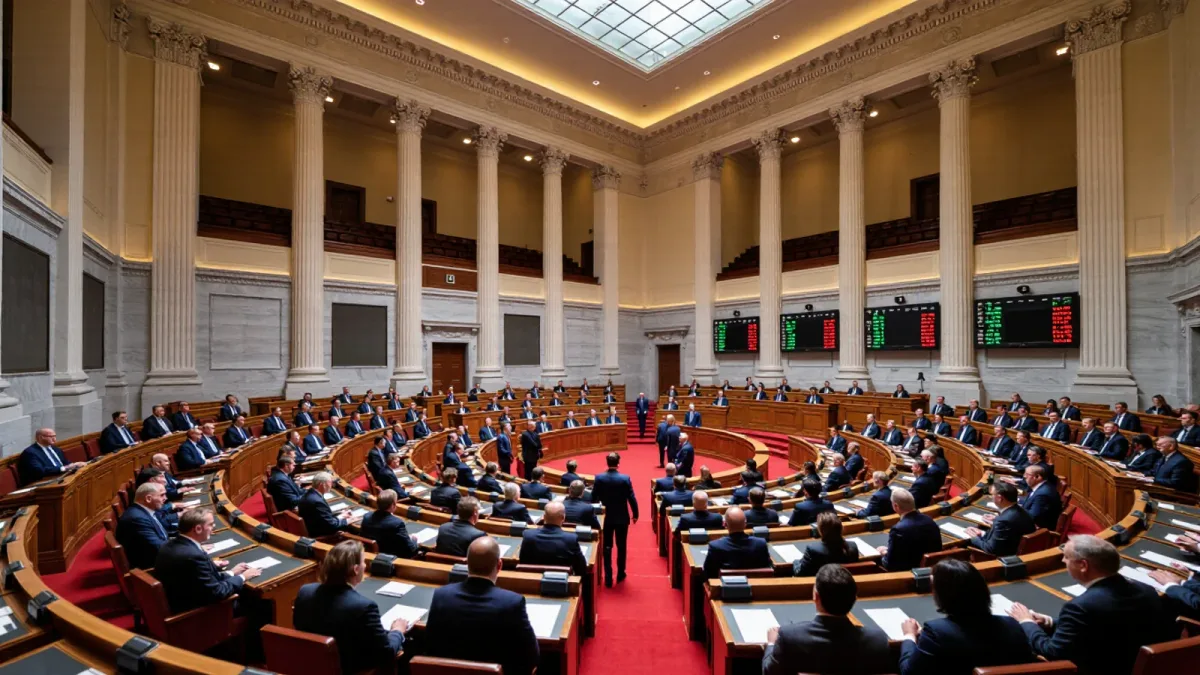
The Senate Armed Services Subcommittee on Airland heard testimony on Army force modernization on June 16, 2026, in review of the Defense Authorization Request for Fiscal Year 2027. Witnesses were Jesse D. Tolleson, Jr., principal deputy assistant secretary of the Army for acquisition, and Lieutenant General Edmond M. Brown of the Army Transformation and Training Command.
Who testified and what was the focus?
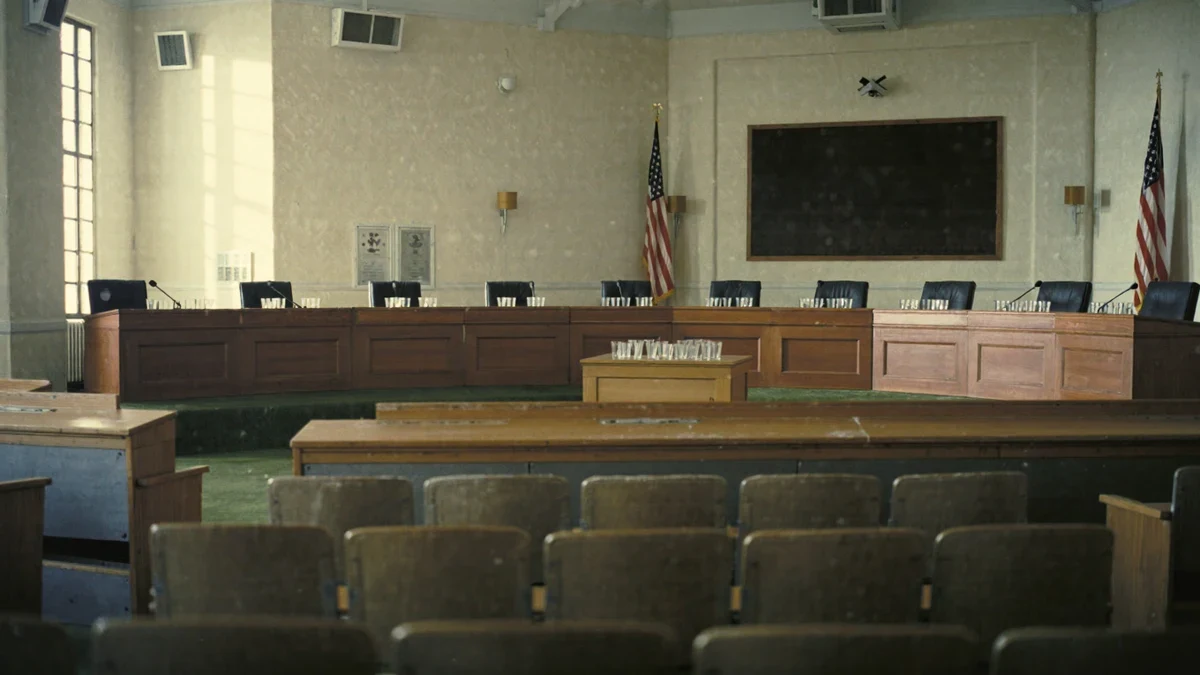
The subcommittee met at 4:16 p.m. in Room SR-222 of the Russell Senate Office Building, with Senator Kevin Cramer of North Dakota, the subcommittee chairman, presiding, according to the official transcript published by the committee. Committee members present were Senators Cramer, Moody, Kelly, Blumenthal, and Peters — a roster split between the parties, which matters for the authorization language the hearing feeds.
Cramer framed the session squarely around the budget submission. "The Airland Subcommittee meets today to discuss the Army's modernization efforts with a focus on the Fiscal Year 2027 President's budget submission," he said in his opening statement. He thanked the witnesses for their service and set out the goal of modernization in plain terms: ensuring American soldiers have the most capable, survivable equipment possible to deter conflict and, if necessary, win on the battlefield.
What did the chairman say about the warfighting picture?
The opening statement placed Army modernization against a rapidly changing picture of conflict. Recent conflicts, Cramer said, have demonstrated the growing importance of unmanned systems, electronic warfare, long-range precision fires, integrated air and missile defense, and resilient communications networks — categories the Army must buy for at speed, per the transcript.
He named the pacing challenge directly: China continues to be the pacing challenge for the department, while Russia, Iran, North Korea, and violent extremist organizations continue to threaten US interests and global stability. The Army's additional burden, he said, is tempo — the battlefield is evolving in days or months rather than decades, and the service must balance affordability, sustainment, mobility, and survivability while fielding new capabilities rapidly.
Why does this hearing matter for the NDAA?
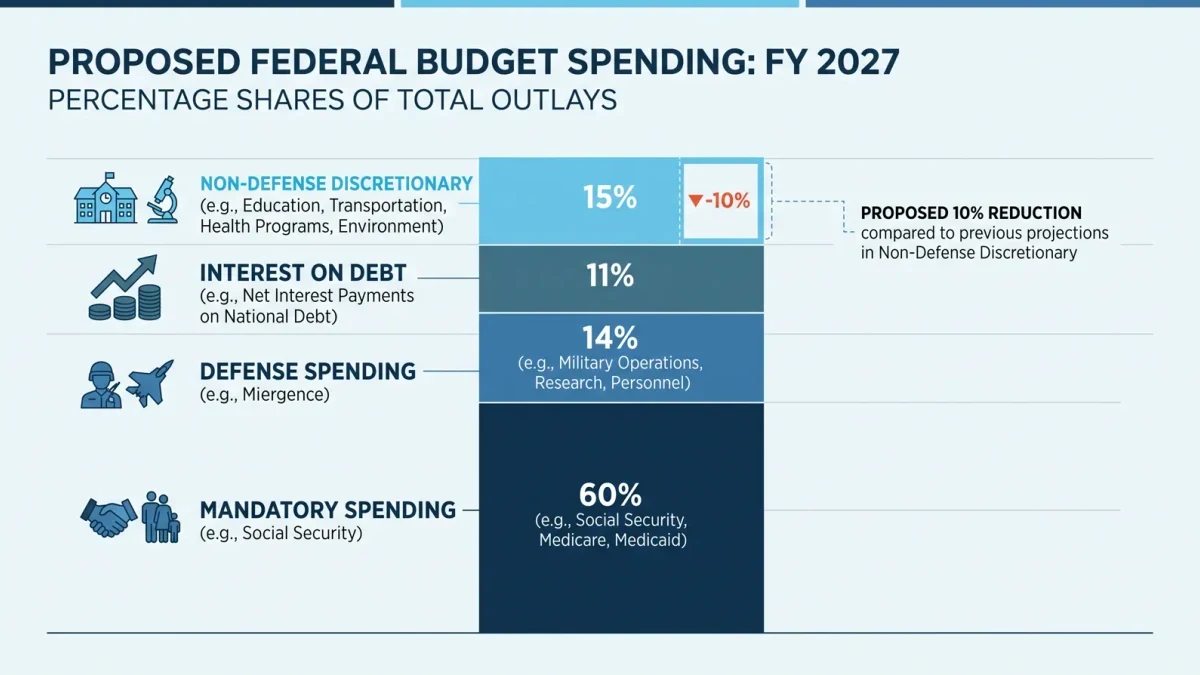
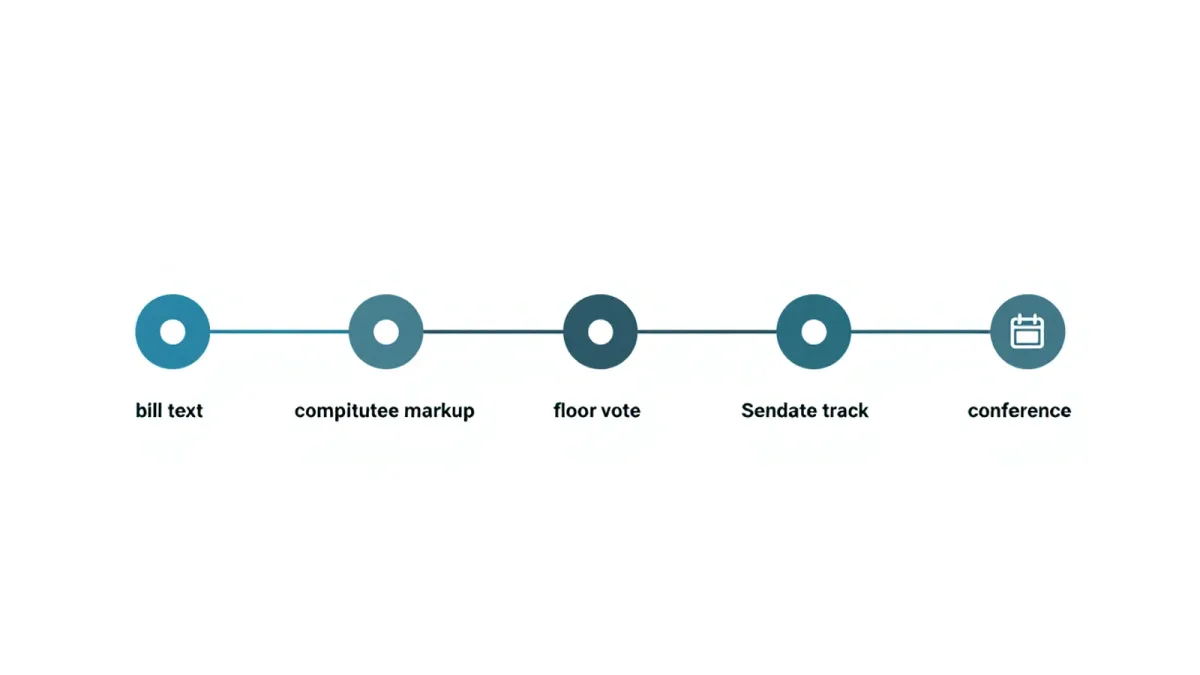
Subcommittee hearings on service modernization are where the annual defense authorization bill takes shape: testimony feeds the Airland portions of the NDAA markup that follows within weeks. The timing in mid-June is standard procedure — the full committee had already begun its markup sequence in early June — but the stakes were elevated, because the hearing examined both the budget request and the Future Years Defense Program, the multi-year plan that determines whether priorities survive beyond one cycle, per the committee's hearing notice.
The witness pairing itself signaled the Army's current organization: a senior acquisition official from the service's acquisition, logistics and technology headquarters appeared alongside the acting head of the Army Transformation and Training Command. Members' questions on unmanned systems and counter-drone capability tracked the same priorities the chairman named, and the hearing record now forms part of the formal basis for the committee's markup decisions on Army accounts.